


Licensing considerations for businesses during The World Cup
The World Cup 2026 could deliver a welcome boost for hospitality businesses but licensing rules remain key.


A boost for hospitality
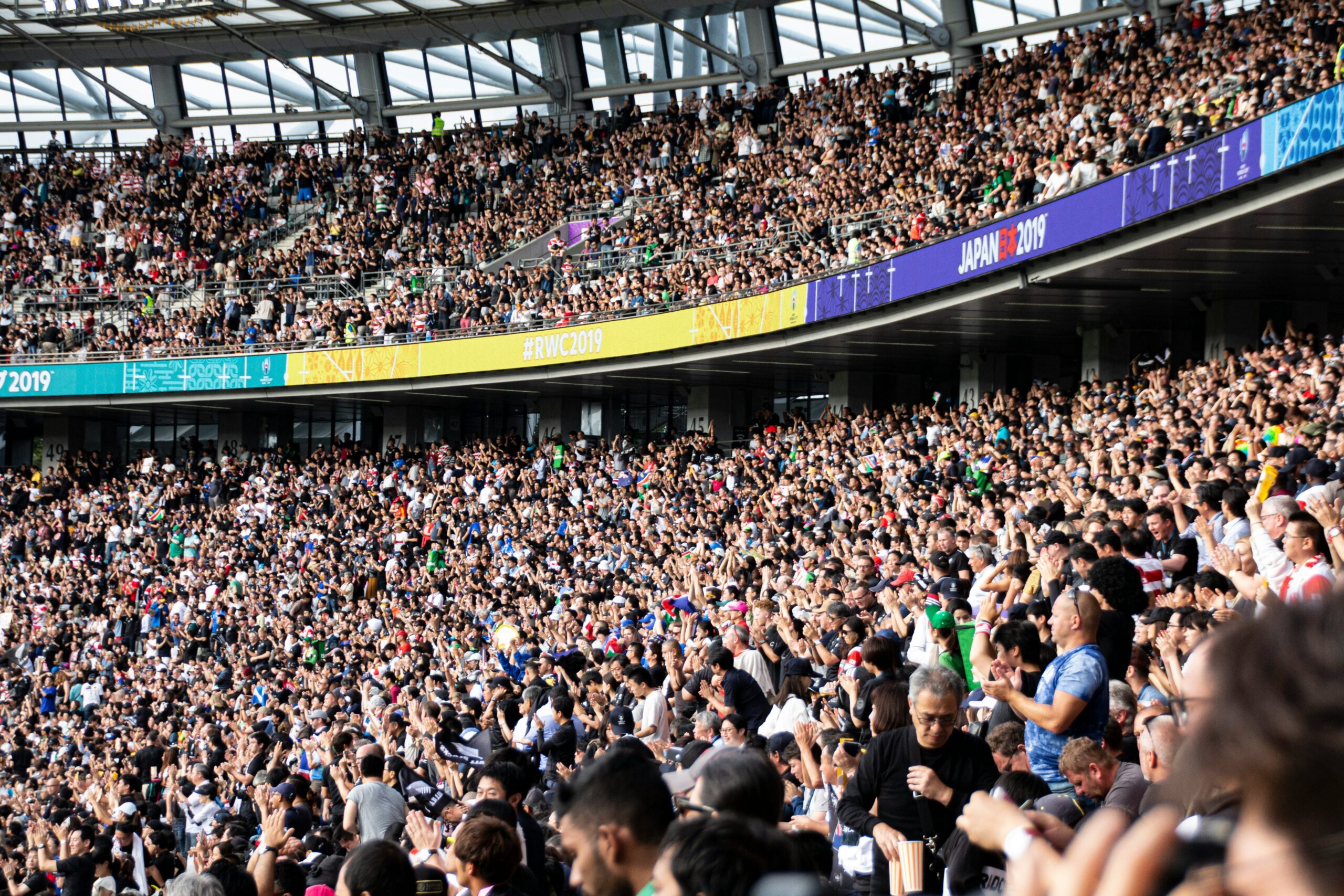
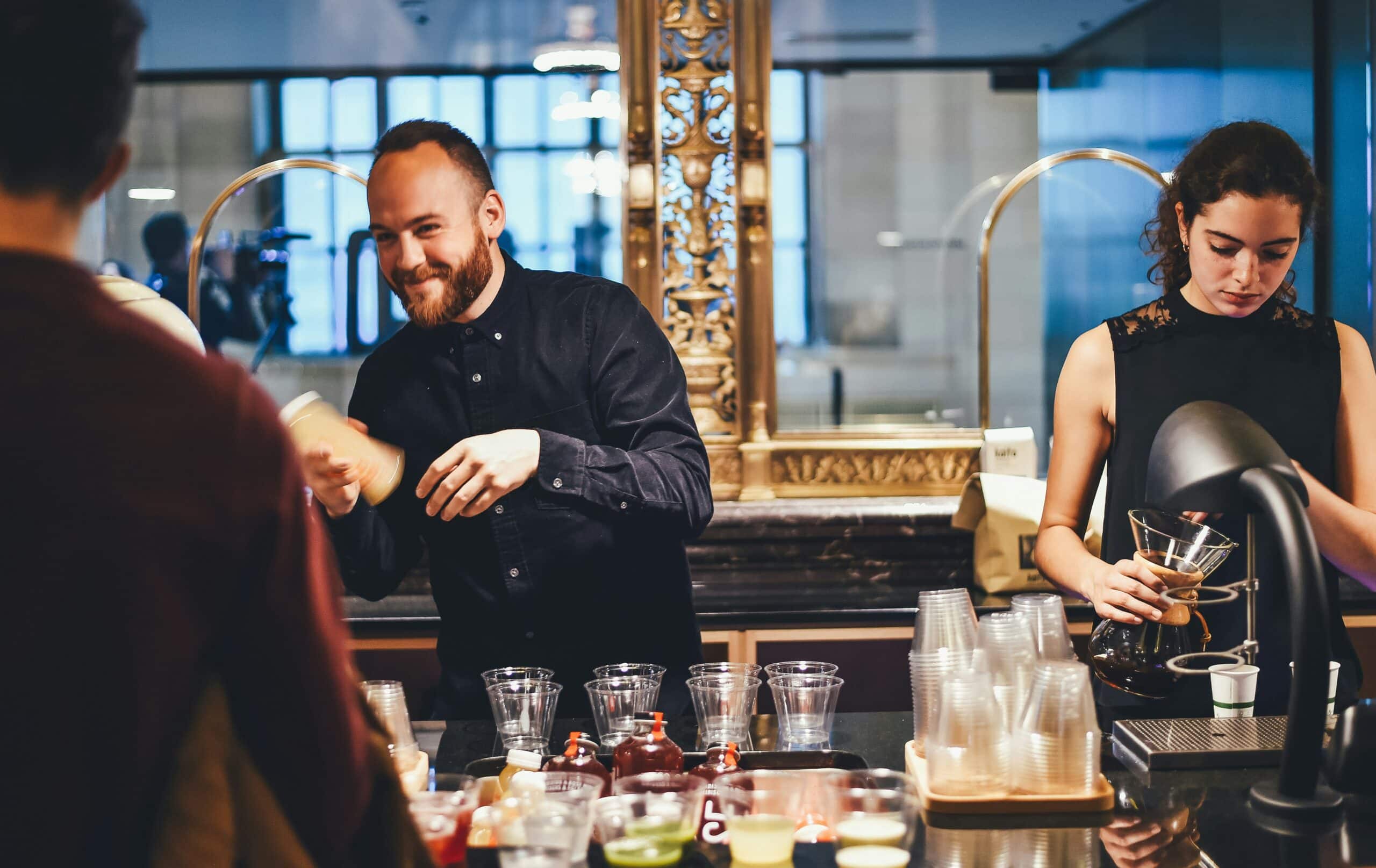
With the FIFA World Cup now well underway, pubs, bars, hotels and other licenced premises across England and Wales are experiencing a surge in customers eager to watch matches in a social setting.
The tournament, which is being co-hosted across the United States, Canada, and Mexico, has already drawn significant crowds to venues screening the fixtures, particularly those airing England and Scotland’s matches. For many licenced operators, the competition presents a welcome opportunity to increase footfall and revenue during what remains a challenging period for parts of the hospitality sector, many of which are still recovering from the COVID-19 pandemic.

Legal considerations
However, alongside the commercial opportunities come important legal and regulatory considerations.
In anticipation of increased demand, the UK Government introduced temporary extensions to licensing hours through the Licensing Act 2003 (FIFA World Cup Licensing Hours) Order 2026. The changes permit qualifying licensed premises to remain open later for certain knockout-stage fixtures involving England and Scotland, reducing the need for individual applications to extend trading hours.
The UK Government has confirmed that pubs and licenced premises in England and Wales are allowed to stay open later for home nation knock out matches.
Extended licensing hours
For home nation knockout matches that kick off between 5:00pm and 10:00pm, pubs can sell alcohol until 2:00am without needing a Temporary Event Notice (TEN). Matches kicking off outside these times will not be covered by the Order and may require a TEN, or will otherwise be subject to normal licensing hours.
Important limitations
For the avoidance of doubt, the extension only applies to knockout matches involving a home nation (so, England and Scotland). Group stage matches are therefore not covered by the Order and will generally require a TEN if the premises wants to stay open later. Operators must be aware that the Order only applies in England and Wales, not Scotland, and covers the sale of alcohol on the premises but does not automatically extend permissions for regulated entertainment – which will need to be considered separately, and so may require a TEN in any event.
Whilst measures have been welcomed by many within the hospitality industry, operators should be aware that the relaxation of trading hours does not alter their wider obligations under the Licensing Act 2003.
The four licensing objectives
The objectives of section 4 of the Act remain at the heart of the licensing regime:
• The prevention of crime and disorder;
• Public safety;
• The prevention of public nuisance; and
• The protection of children from harm.
Premises licence holders (and personal licence holders) must continue to promote these objectives throughout the 2026 World Cup, particularly where large crowds, extended alcohol sales, and late-night trading are anticipated.

Preventing incidents
Historically, major football tournaments have brought increased scrutiny from police and licensing authorities. During the 2024 Euros held in Germany, England supporters were involved in a number of incidents requiring police intervention, with arrests recorded in both England and Germany. Previous World Cups and European Championships have similarly demonstrated how alcohol consumption, large gatherings, and emotionally charged sporting occasions, can create challenges for both venue operators and licensing authorities.
As a result, businesses may wish to review staffing arrangements, capacity limits, security measures, drug policies, and existing licensing conditions, to ensure they remain suitable for the demands of tournament trading.

Considering time differences
As highlighted, particular care should be taken where fixtures are scheduled for late in the evening due to time differences with the United States, Canada, and Mexico. Operators seeking to trade beyond the scope of their existing permissions should, again, consider whether a TEN or other authorisation is required.
For many businesses, the 2026 World Cup represents an opportunity to attract new customers and generate valuable revenue. However, the tournament also serves as a reminder that successful hospitality operations require careful planning, particularly where licensing compliance and public safety are concerned. With several weeks of football still to play, hospitality operators will no doubt be hoping that the tournament delivers both memorable sporting moments and a much-needed boost in trade for an underappreciated yet vital sector.

How can Ellis Jones help?
Our Dispute Resolution team can provide expert legal guidance on hospitality licensing. For further information, or to speak with a member of our team, please contact us on 01202 525 333 or complete our make an enquiry form below.
How can Ellis Jones help?
If you would like help or advice regarding from one of our specialists, please do not hesitate to contact us on 01202 525333.
Make an enquiryGet in touch



Highlights