


Managing heatwave in the workplace: A practical guide for UK employers
With the temperatures soaring this week, and increasingly frequent heatwaves across the UK, employers must balance employee wellbeing, legal compliance, and business continuity.


There is no law for maximum working temperature, or when it’s too hot to work, because every workplace is different.
Legal position: Temperature and employer duties
Under the Health and Safety at Work Act 1974, employers have a duty to ensure, so far as reasonably practicable, the health, safety and welfare of employees.
The Workplace (Health, Safety and Welfare) Regulations 1992 require that:
- Indoor workplaces must be kept at a “reasonable” or comfortable temperature.
- There is clean and fresh air.
- There is no maximum temperature set in law.
The Health and Safety Executive (HSE) Temperature in the workplace: Is it too hot or cold to work? – HSE provides guidance that:
- A minimum of 16°C (or 13°C for physical work) is generally expected.
- Employers should assess risks in high temperatures and take action to keep staff comfortable.
While there is no strict upper limit, employers must actively manage heat-related risks.

Conduct a heat risk assessment
During a heatwave, employers should review workplace risks, particularly where:
- Work involves physical exertion
- Staff work outdoors or in poorly ventilated environments
- Employees wear PPE or uniforms that increase heat retention
Practical risk mitigation measures include:
- Improving ventilation or air conditioning where possible
- Providing fans or shading
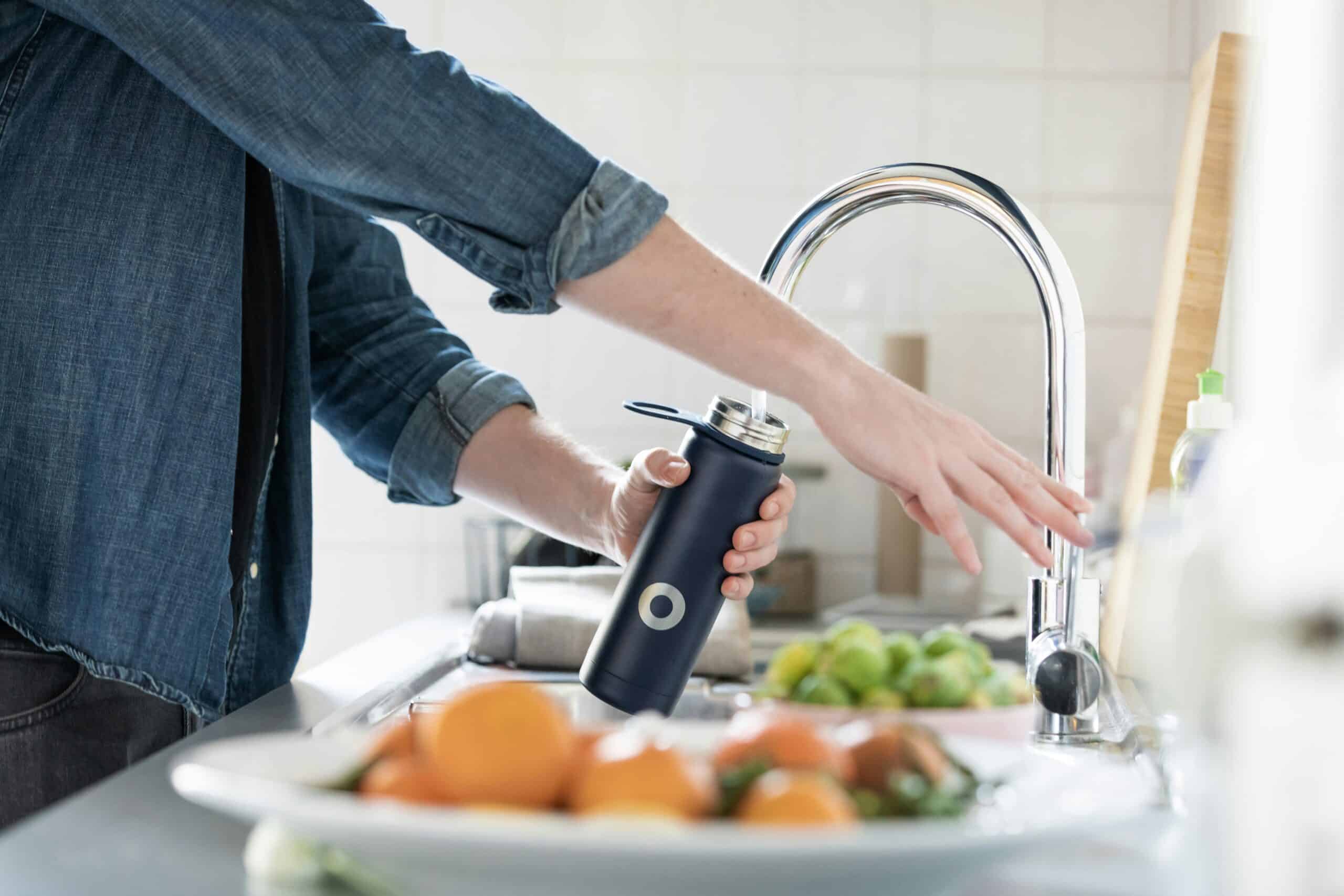
- Ensuring access to cool drinking water
- Allowing more frequent rest breaks
- Adjusting workloads or targets
- Adjusting working hours to cooler times of the day where possible.

Flexible working: A key tool during heatwaves
Employers should adopt a pragmatic and flexible approach to reduce discomfort and maintain productivity.
Work from home (where possible)
If roles allow, temporary home working may in some situations be more comfortable for employees particularly where offices do not have air conditioning and can:
- Reduce commuting in extreme heat
- Allow employees to manage their environment more effectively
This can be implemented informally or as a temporary adjustment without triggering formal flexible working procedures.
Flexible working hours
Consider allowing employees to work at cooler times of day, such as:
- Earlier starts (e.g. 7am–3pm)
- Split shifts (early morning and late evening)
This is particularly helpful for:
- Manual workers
- Employees in buildings prone to overheating
Ensure you clearly document expectations and maintain fairness across the workforce.

Dress code adjustments
Strict dress codes should be relaxed where appropriate:
- Allow lighter, breathable clothing
- Review requirements for formal attire
- Consider alternatives to heavy PPE (where safe to do so)
Any relaxation should still maintain professionalism and safety standards.
School closures and childcare issues
Heatwaves can disrupt schooling or childcare arrangements. Employers should be prepared for increased requests for time off.
Emergency dependants leave
Under section 57A of the Employment Rights Act 1996:
- Employees have the right to reasonable unpaid time off to deal with emergencies involving dependants (including sudden school closures).
- This is typically short-term and unpaid.
Employer options
To manage such situations fairly and compassionately, employers may consider:
- Allowing unpaid emergency leave (statutory right)
- Offering discretionary paid leave (as a goodwill gesture)
- Permitting use of annual leave
- Allowing temporary flexible or remote working
Employers should check employment contracts and policies to ensure consistency and avoid discrimination risks.
Keep communication open
Clear and proactive communication is essential:
- Remind staff of available support measures
- Encourage employees to raise concerns about heat or health
- Provide guidance on staying cool and hydrated
- Train managers to respond consistently and sensitively
Watch out for vulnerable employees
Extra care should be taken for individuals who may be more affected by heat, including:
- Pregnant employees
- Older workers
- Those with medical conditions
- Employees taking certain medications
Employers should consider reasonable adjustments where necessary.
Practical “keep cool” tips for the workplace
Employers can promote wellbeing with simple measures:
- Provide cold drinking water and encourage hydration
- Allow regular breaks in cooler areas
- Use blinds or shade to reduce solar gain
- Avoid scheduling intensive tasks during peak heat hours
- Rotate duties where possible
- Arrange ice lollies or ice creams

While UK law does not set a maximum temperature for work, employers cannot afford to ignore the impact of extreme heat. A combination of risk assessment, flexibility, and clear communication is key.
Taking a sensible and supportive approach not only ensures compliance with health and safety obligations but also promotes employee wellbeing and morale during challenging conditions.
If you would like to speak to a member of our Employment team for advice on workplace policies, please contact us on 01202 525333 or complete our enquiry form below.
How can Ellis Jones help?
If you would like help or advice regarding from one of our specialists, please do not hesitate to contact us on 01202 525333.
Make an enquiryGet in touch



Highlights