


The hidden cost of cutting corners: The legal risks of felling protected trees
This article explores the legal, financial, and long‑term consequences of unlawfully felling trees protected by a Tree Preservation Order.

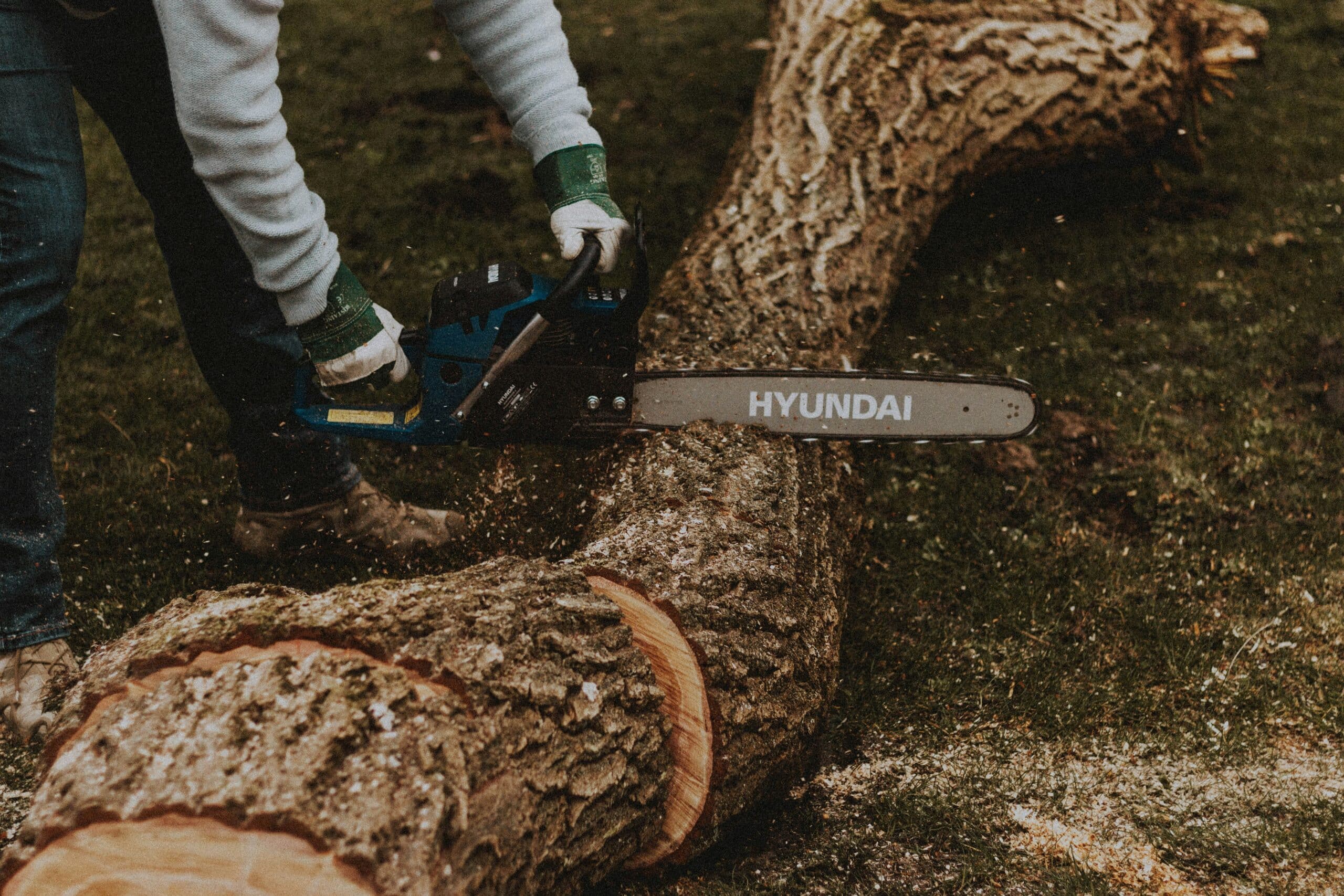
For many landowners and developers, trees can appear to be an obstacle, something standing in the way of progress, development, or even simple landscaping plans. But when those trees are protected by a Tree Preservation Order (TPO), removing them without proper consent is far more than a planning misstep. It is a legal risk with serious financial and criminal consequences.
Recent enforcement action shows just how high the stakes have become.
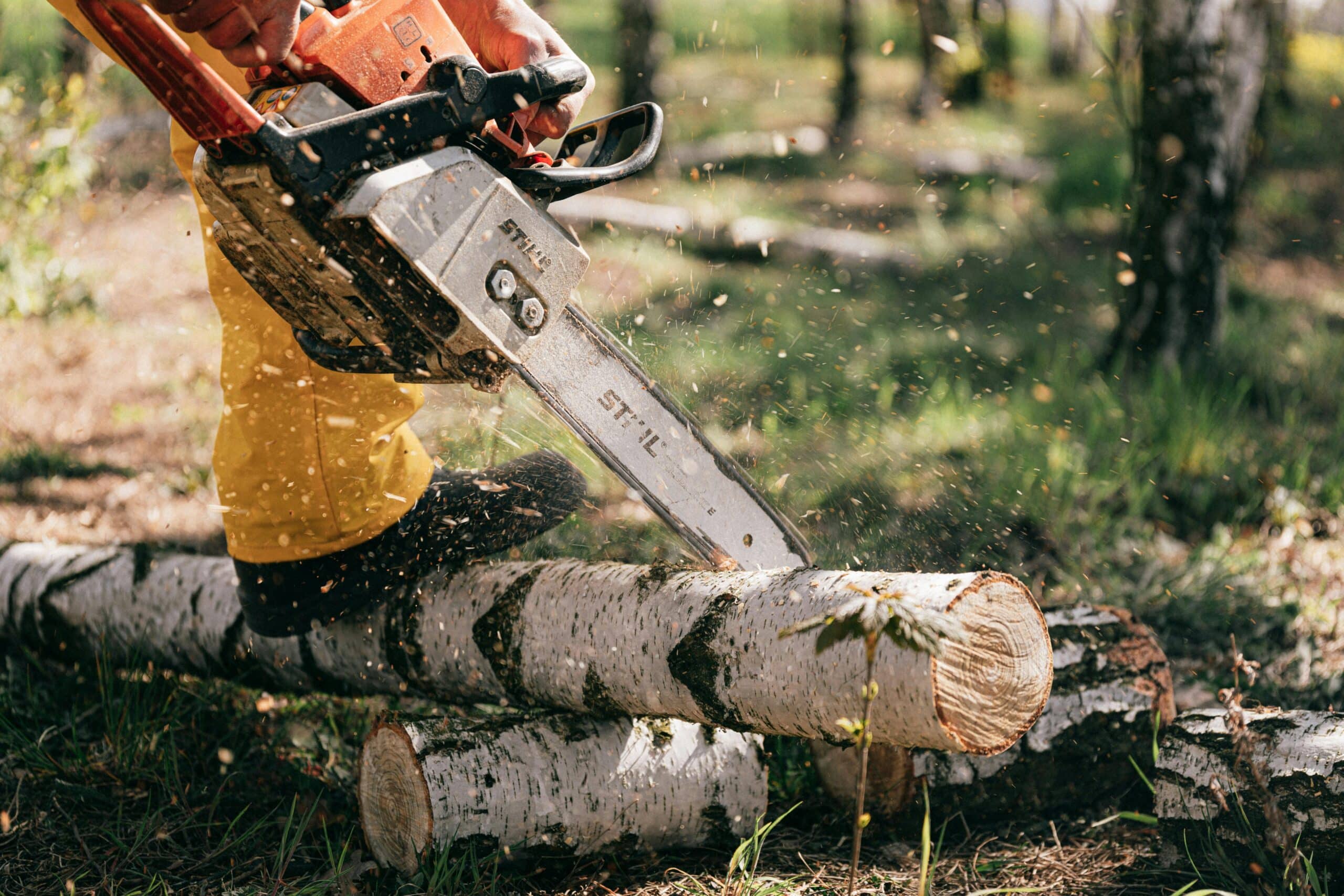
What is a Tree Preservation Order and why does it matter?
A Tree Preservation Order is made by a local planning authority to protect trees that bring significant amenity value to the public. Once in place, it becomes a criminal offence to cut down, uproot, top, lop, or wilfully damage the tree without consent.
Crucially, TPOs apply regardless of ownership. Even if the tree stands on your land, you do not have unfettered rights over it. Ignorance of a TPO is not a defence, and neither is the assumption that future development plans will justify removal.
The real-world consequences: The Motor Fuel Limited case
A stark example comes from the recent case involving Motor Fuel Ltd in Loughborough.
In that matter, trees were felled in anticipation of a proposed site expansion. However, the works were carried out without the required permissions and in breach of regulatory requirements. The consequences were severe:
- A total financial penalty of £268,751, the highest of its kind for illegal tree felling in England
- A court order requiring the replanting and maintenance of trees for 10 years
- The risk of further penalties or even custodial consequences for non-compliance
The courts made it clear that environmental protections are not optional. Felling trees without proper authorisation, whether under a TPO or without a felling licence, can lead to prosecution and long-term legal obligations.

Why “act first, ask later” is a dangerous strategy
It is not uncommon for landowners or developers to assume that removing trees early, before submitting or finalising planning applications, will simplify future development. The Motor Fuel Limited case demonstrates the opposite.
Pre-emptive action can:
- Trigger criminal liability
- Lead to enforcement notices and prosecution
- Result in substantial fines and legal costs
- Cause delays or derailment of development plans
- Damage reputation and stakeholder trust
In short, attempting to get ahead of the planning system can ultimately set a project back significantly.
Beyond fines: ongoing legal obligations
One of the most overlooked risks is that penalties do not always end with a fine. Courts and regulators increasingly require restorative action, such as replanting and long-term maintenance. In the Loughborough case, the obligation to maintain replacement trees for a decade creates an ongoing compliance burden. Failure to comply with such orders can escalate matters further, including contempt of court proceedings.

How to protect yourself (and your project)
The key to avoiding liability is early, informed legal and planning advice. Before undertaking any works to trees, you should:
- Check whether a TPO applies
- Confirm whether a felling licence is required
- Obtain formal consent before any works begin
- Document all decisions and professional advice
Where uncertainty exists, it is far safer, and often far cheaper, to pause and investigate than to proceed and face enforcement.

How can Ellis Jones help?
At Ellis Jones, we advise landowners, developers, and businesses at every stage of the process, from initial risk assessment through to securing the necessary consents.
Our team can help you identify whether Tree Preservation Orders or felling licence requirements apply, advise on your legal obligations, and manage engagement with local authorities and regulators. Where enforcement action has already been taken, we provide robust representation to protect your position and limit exposure.
Early advice is often the difference between a compliant project and a costly dispute. If you are contemplating works involving trees, or need clarity on your legal position, our experts can help you move forward with confidence and certainty. Get in touch with the team today.
How can Ellis Jones help?
If you would like help or advice regarding from one of our specialists, please do not hesitate to contact us on 01202 525333.
Make an enquiryGet in touch



Highlights